

Ag Exemption Denied? How to Protest and Win

Updated: Aug 13
Appraisal districts deny agricultural valuation applications every spring — some for good reasons, plenty for bad ones. We have carried beekeeping denials through protest and won. The process is winnable because most denials rest on documentation gaps, not on the law. But the clock is short and the burden is yours.
New to the topic? Start with our complete Texas ag exemption guide — the statewide rules, savings, and application process in one place.

Own 5–20 acres in Texas? We place and manage the hives; you keep the valuation. Free eligibility check — call 469-573-4232 or get a quote.
Read the denial letter for the deadline first
When a chief appraiser denies or modifies an ag application, you get written notice with protest rights to the Appraisal Review Board. Your window is generally 30 days from the date the notice was delivered. That deadline is jurisdictional — miss it and the merits of your case stop mattering. File the protest (Form 50-132 or the district's online portal) immediately, even before your evidence is assembled. Filing preserves the fight; you build the case after.
Figure out which kind of denial you have
Beekeeping denials come in three flavors. Intensity denials: the district says you did not have enough hives for your acreage, or they were not on site long enough. History denials: they do not believe the land had qualifying use in 5 of the past 7 years. Primary-use denials: they think the land is really residential or recreational and the bees are decoration. Each one is answered differently, and your evidence package should be built around the actual ground for denial — call the district and make them state it plainly.

Build the evidence package
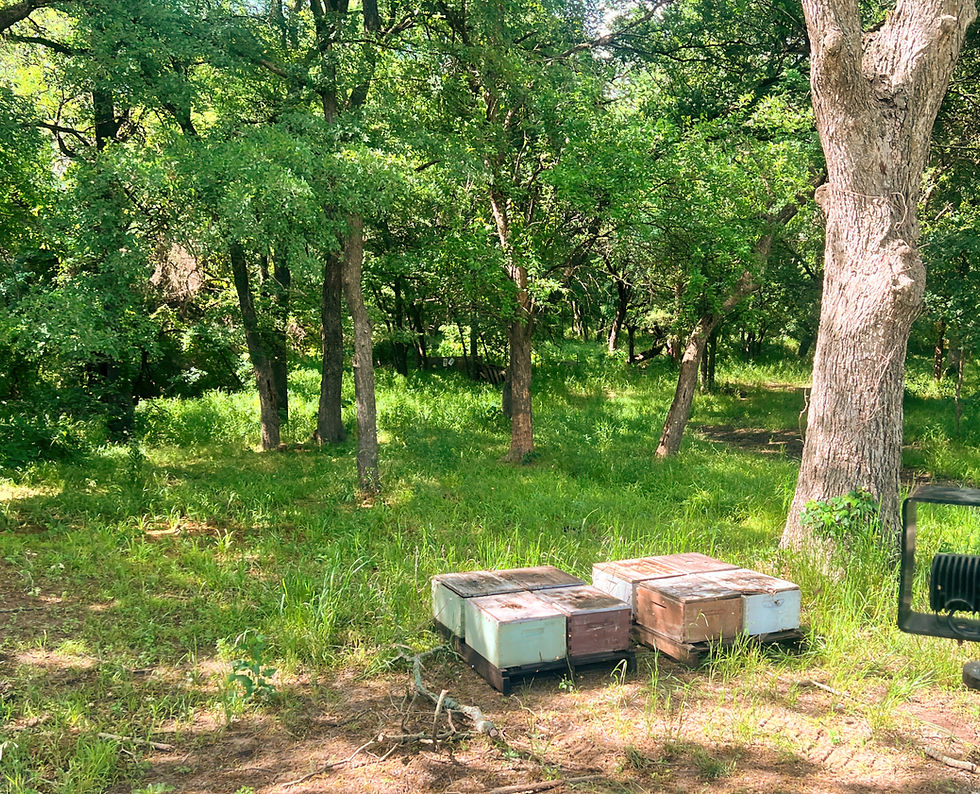
For intensity: hive counts by date, management records, invoices, and photos with timestamps and recognizable landmarks. A management contract with a commercial beekeeper is powerful here, because it shows the standard was met professionally. For history: prior owners' leases, feed store receipts, FSA records, old aerial imagery showing grazing or hay production — districts respect their own aerials. For primary use: a map allocating the acreage, showing the homestead carve-out and the open-space balance devoted to the bees. Organize it as an exhibit packet: one page of argument, tabbed proof behind it. ARB panels are civilians; make it easy to rule for you.
The informal meeting is where most wins happen
Before the formal hearing, nearly every district offers an informal review with a staff appraiser. Take it. A clean packet and a calm walkthrough resolves the majority of denials right there, because staff would rather fix a file than defend a weak denial in front of the board. If you do go to the formal hearing: you present, they present, the panel votes that day. Lose there and you still have binding arbitration or district court — but very few beekeeping cases should ever need to travel that far.
If you are staring at a denial letter right now, do two things today: file the protest to stop the clock, and get your documentation in one place. If you want a professional operation behind your evidence — management records, county-spec hive placement, and someone who has sat across from these districts before — that is what we are here for.

Protest FAQs
How long do I have to protest a denial?
Act fast — protest deadlines are strict and short, generally 30 days from the date on the appraisal district's notice. The exact deadline is printed on your notice; treat it as immovable.
What evidence wins an ag-exemption protest?
Documentation that shows real agricultural use at your county's intensity standard: dated photos, lease and service agreements, placement and maintenance records, receipts, and the county's own published standard with your numbers meeting it.
If I lose the protest, can I apply again next year?
Yes. A denial isn't permanent — fix whatever gap caused it (intensity, documentation, history) and file Form 50-129 again for the next tax year.
Do I need a lawyer to protest?
Most landowners handle appraisal review board protests themselves with solid documentation. Appeals beyond the ARB are where professional help starts earning its fee.
Related guides
Form 50-129 walkthrough — get the reapplication right, line by line
our managed ag exemption service — documentation that survives inspection
the complete bee ag exemption guide — the full qualification picture
Want us to handle it?
Timber Creek Bees manages 2,000+ hives across 40+ Texas counties. We place hives to your county's exact standard, keep them on your property a minimum of seven months a year, manage them year-round, and hand you the documentation your appraisal district asks for.
Free eligibility check · No obligation · Family-run out of Greenville, TX since 2013


Comments